Automotive Repair Marketing: Winning B2B Fleet Accounts
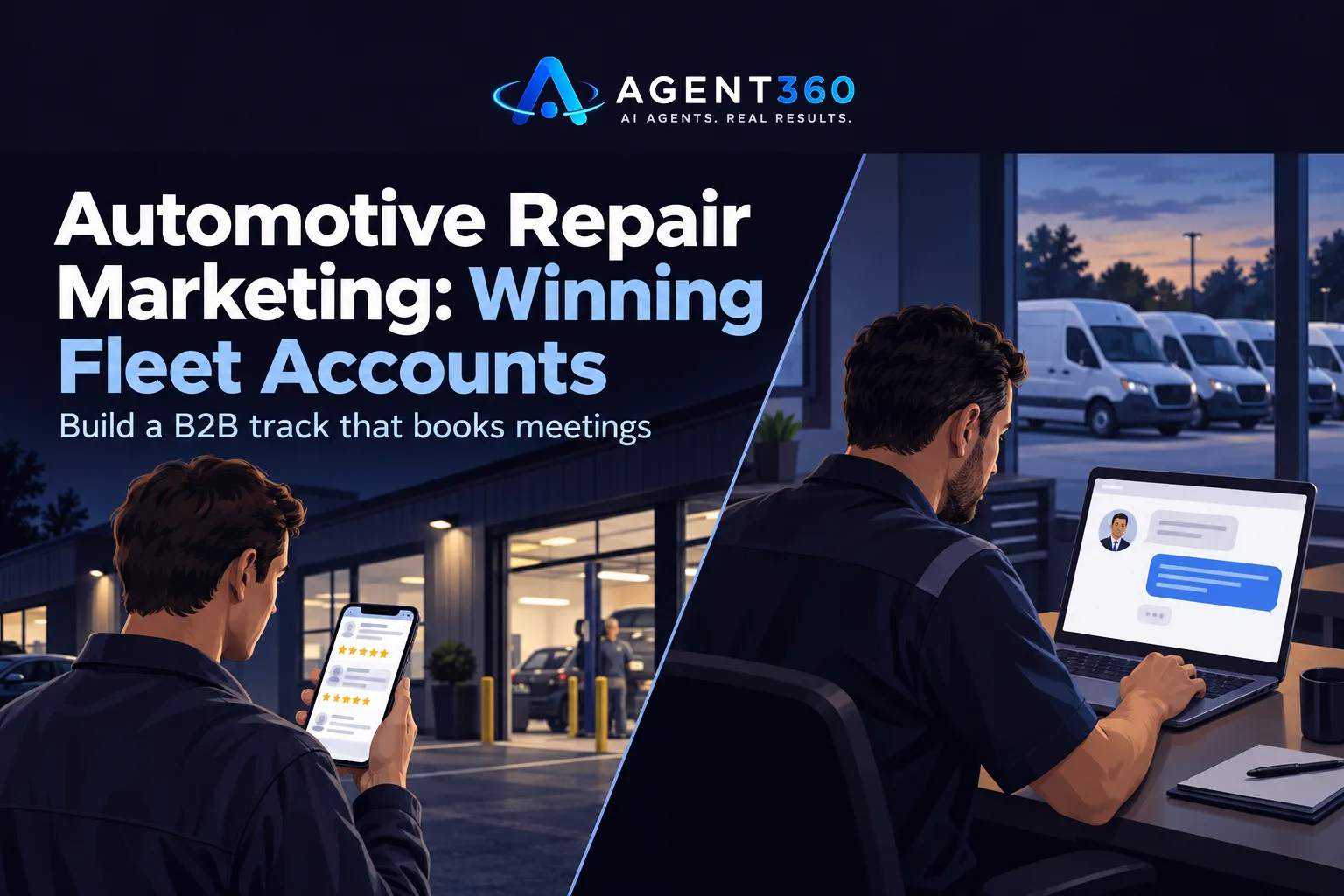
Automotive repair marketing isn't one job, it's two. One track pulls in walk-in retail customers through local search and reviews. The other, the one most shops ignore, chases recurring B2B accounts: fleet maintenance contracts, dealership overflow referrals, insurance network agreements. Most owners pour the whole budget into the first track and leave the second sitting on the table.
The retail track runs on reviews, a strong Google Business Profile, and local ads — familiar ground for most shop owners. The B2B track is different. It runs on direct outreach to the people who decide where a company's vehicles get serviced: fleet managers, dealership service directors, insurance adjusters. That side behaves like any other B2B sales motion. It needs a list of the right buyers, a reason to reach out now, and follow-up that doesn't quit after one try.
What follows is how to build that B2B side without hiring a dedicated salesperson, and what it actually takes to turn a cold list into a signed fleet account.
Key Takeaways
- Split your marketing budget and plan into a retail track (reviews, local search) and a B2B track (fleet, dealership, insurance accounts).
- Fleet and dealership buyers respond to direct outreach, not ads, because the decision sits with one or two named people.
- A signed fleet contract usually follows several touches across email, phone, and LinkedIn, not a single pitch; see what that outbound timeline typically looks like.
- Shops that treat B2B accounts like a sales process, not a marketing afterthought, build more predictable revenue than those relying on walk-ins alone.
- If reaching fleet managers and procurement contacts directly isn't something your team has time for, review lead generation options built for exactly this kind of outreach.
Table of Contents
What's the difference between retail and B2B automotive repair marketing?
Retail marketing earns attention from individual drivers searching nearby; B2B marketing requires finding and reaching specific named decision-makers. A driver with a check-engine light searches Google and picks whatever shows up first. A fleet manager running forty vehicles doesn't search at all — they already have a vendor, or they're quietly sizing up a short list behind the scenes. Getting on that list before the decision happens takes direct contact. Visibility alone won't do it.
Who are the B2B buyers for a repair shop?
The usual buyers: fleet managers at local delivery, trade, or service companies; service directors at dealerships who need overflow capacity; claims adjusters or network managers at insurance companies building approved-shop lists. Each has a different reason to switch vendors and a different pace of deciding. Send them the same generic pitch and none of them bite.
Why does outbound work better than ads for these accounts?
Ads reach whoever happens to be searching right then, which works fine for retail demand but does nothing for a B2B buyer who isn't shopping at all. Outbound — email, a phone call, a LinkedIn message — reaches that specific person on your schedule, not theirs. It takes longer to set up than flipping on an ad campaign. But it's the only channel that lets a shop go after one named buyer directly.
How do repair shops win fleet maintenance contracts?
Fleet contracts get won through a short, repeatable process: build a list of local fleets, reach the right contact directly, and follow up until a meeting gets scheduled. It's a sales process with a handful of clear steps — not a one-time marketing push.
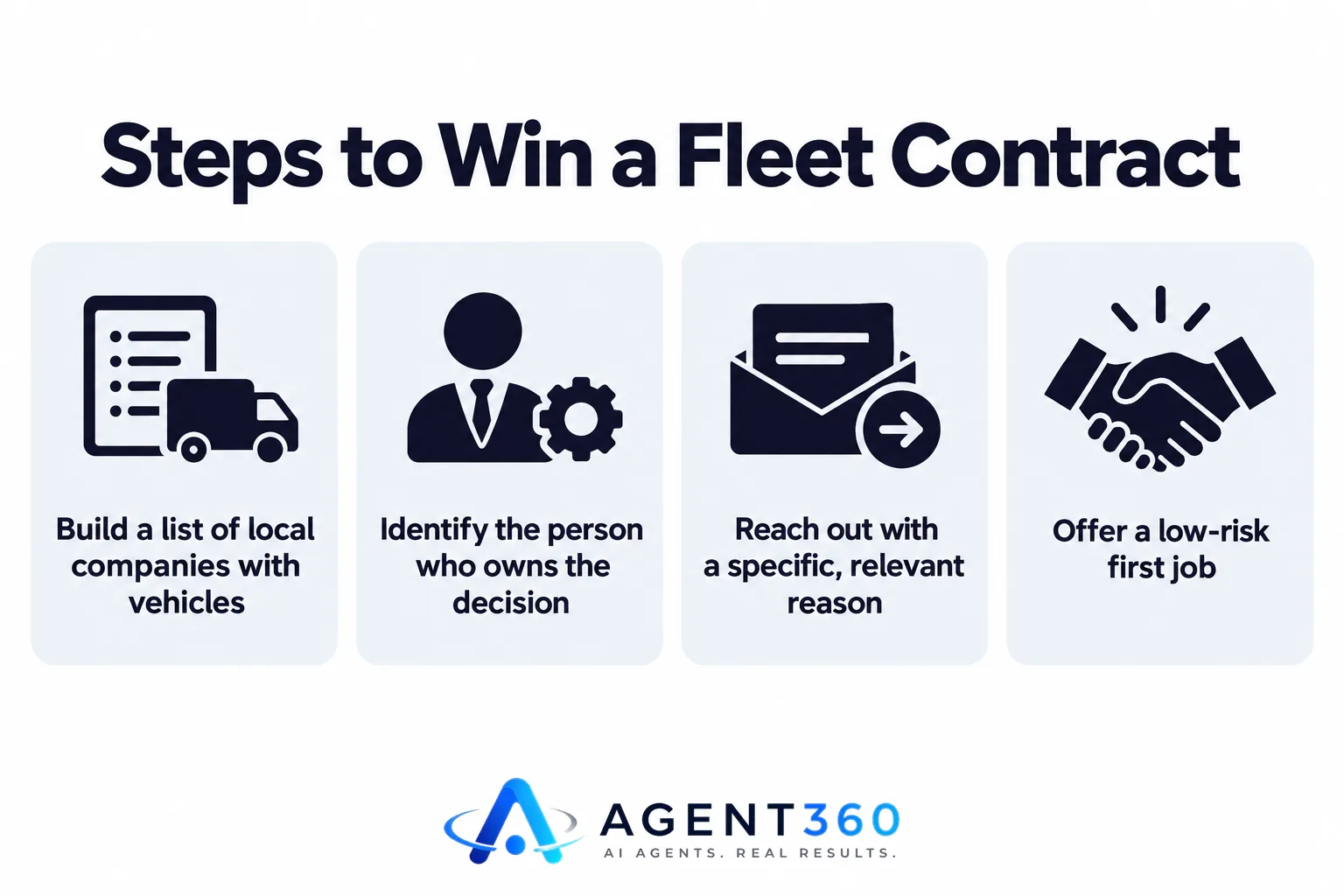
- Build a list of local companies with vehicles. Delivery services, trade contractors, home services companies, and local government fleets are common targets; start with businesses within a reasonable driving radius of the shop.
- Identify the person who owns the decision. That's usually an operations manager, fleet manager, or office manager at smaller companies — not a general inbox.
- Reach out with a specific, relevant reason. A faster turnaround time, after-hours drop-off, or a flat monthly rate for preventive maintenance are concrete reasons to switch, not just “we do good work.”
- Follow up across more than one channel. A phone call after an unanswered email, or a LinkedIn message to the same contact, often gets a response that a single email alone wouldn't.
- Offer a low-risk first job. A single vehicle inspection or one repair job is an easier yes than a full contract, and it gives the fleet manager a reason to try the shop before committing.
What makes a fleet manager or dealership pick one shop over another?
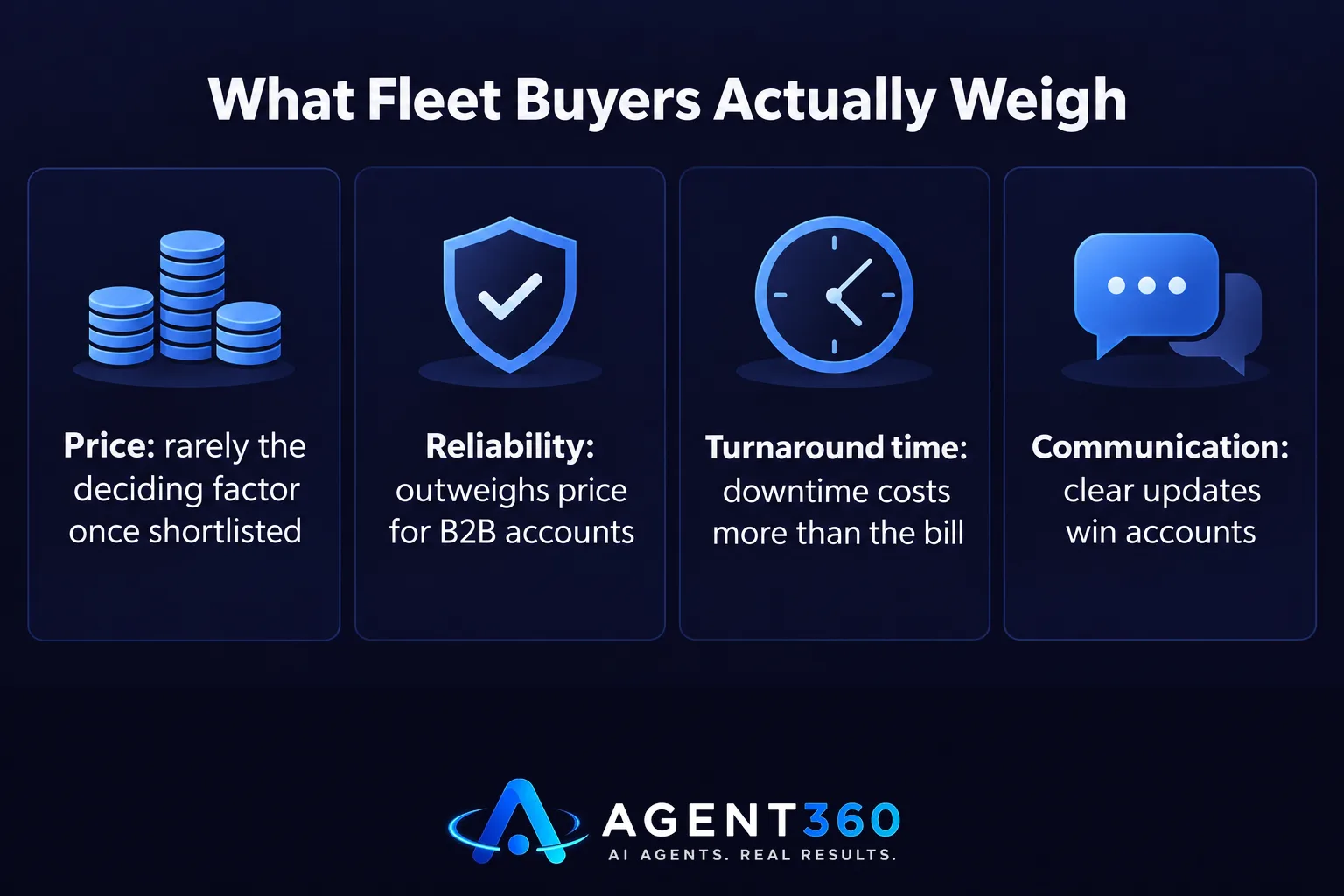
Reliability and turnaround time usually outweigh price for B2B automotive accounts. A fleet manager isn't losing sleep over a few dollars per job. What keeps them up is downtime — every day a vehicle sits in a bay costs their business money, so speed and predictability win out over price.
Does price matter most?
Price matters, but it's rarely what decides things once a shop has made the short list. Fleet managers weigh price against the cost of a vehicle sitting idle. A shop that communicates clearly and delivers on time can win the account without being the cheapest bid in the room.
How much does turnaround time matter?
A great deal. That's why naming specific capacity — same-day diagnostics, a dedicated bay for fleet work, loaner vehicles — in an outreach message lands better than any general claim about quality. Buyers respond to things they can picture, not adjectives.
How often should a shop follow up before giving up on a fleet lead?
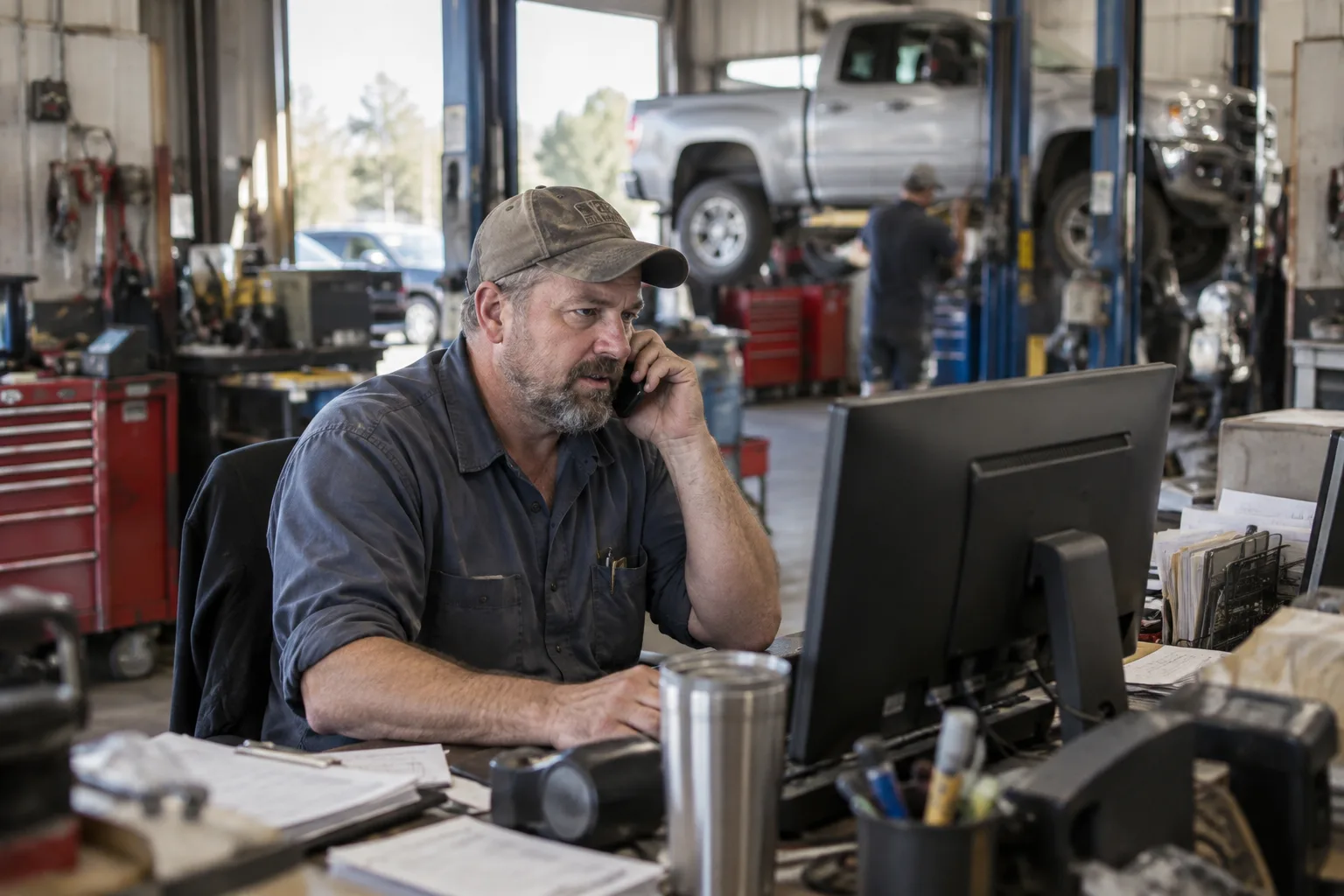
Most B2B buyers need several touches before they respond, so a single email or one phone call isn't enough to judge interest. A fleet manager might glance at that first email mid-shift, mean to reply, and forget by lunch. Then a follow-up call lands a week later, right when a truck actually needs work, and suddenly they're interested.
A reasonable cadence mixes channels over a few weeks: an initial email, a follow-up call, a LinkedIn message, a final check-in. Repeating the same message on the same channel just trains people to ignore it. The general pattern holds across industries — worth a look in this outbound timeline breakdown.
Take the Next Step With B2B Outreach That Books Meetings
Running retail marketing and chasing fleet, dealership, and insurance accounts at the same time is a lot to carry alone, and most shops don't have a spare salesperson to hand it off to. Agent360 is built for exactly this kind of founder-led outbound. It finds the right buyers, reaches them across email, LinkedIn, and phone, and books the meeting straight onto your calendar — no per-seat fees to worry about as you add people.
Shops that want to run it in-house can start on the Agent360 Platform from $99/mo, leads included, unlimited seats. Shops that would rather hand the whole thing off can use the VIP Done-For-You option — a dedicated GTM engineer and strategist run outreach end to end, and the shop just shows up for the meetings.
Check current plans on the pricing page, or skip ahead and book a demo to see how it would fit your shop's fleet and dealership outreach.
Frequently Asked Questions
What's the fastest way to start landing fleet accounts?
Build a short list of local companies with vehicles, find the operations or fleet manager at each one, and reach out with a specific reason to switch — faster turnaround, a flat monthly rate, whatever fits. A phone call or LinkedIn follow-up after an unanswered email usually moves things faster than email on its own.
Do insurance network agreements work the same way as fleet contracts?
The buyer and the criteria differ a bit — insurance network managers weigh certifications, documentation, and claims turnaround more than price — but the outreach approach doesn't change. Find the right contact and follow up directly instead of waiting for them to find you.
Is local SEO still worth it if a shop focuses on B2B accounts?
Yes. Local SEO and reviews still bring in walk-in retail business, and most shops need that alongside the B2B side. The two tracks run independently — they don't compete for the same budget or the same buyer.
How many fleet accounts does a shop need to make this worthwhile?
Even a handful of recurring fleet or dealership accounts can add real, predictable monthly revenue that walk-in traffic never does, because each account means repeat work instead of a one-time visit.
Can one person run both retail marketing and B2B outreach for a shop?
It's possible, but it eats time fast — list-building, messaging, and follow-up on top of running the shop day to day. That gap is exactly what tools built for founder-led outbound, like Agent360, exist to close.
More articles
- Content Automation SEO: What It Can Actually Do
- How to Show Up in AI Overviews When Prospects Google You
- How to Appear in Google's AI Overviews
- White Label GEO: What It Means and How to Buy It
- Auto Repair Shop Marketing: What Actually Brings In Customers
- How Many Connection Requests Can You Send on LinkedIn?
- Google Business Profile Optimization: A Practical Guide
- Agent360 vs Expandi: A Fair, Side-by-Side Comparison
