Is a LinkedIn Ghostwriter Worth It? The Honest Math
A LinkedIn ghostwriter is worth it when the thing stopping you from posting is time. It's not worth it when the thing stopping you is that you don't actually know what you want to say. Those are different problems, and most people shopping for a ghostwriter have the second one — and hope the first problem's solution fixes it anyway.
Here's the test: if you could talk for twenty minutes about your work, would someone else have enough there to turn into a post? If yes, a ghostwriter — or a system doing the same job — pays for itself fast. If you'd stare at the recorder instead, production was never the bottleneck.
The math that decides it: hours saved versus dollars spent
A competent LinkedIn ghostwriter typically works as a monthly retainer, not a per-post fee. The range depends heavily on experience and how much strategy work is bundled in — the actual numbers are worth checking before you assume. But the comparison that matters isn't "ghostwriter versus free." It's ghostwriter versus the hours you'd otherwise burn drafting, rewriting, and second-guessing a post that then sits unpublished because you weren't sure it was good enough. For a founder billing meaningful money per hour, four hours a week on posts that never ship is the expensive option. Not the retainer.
Where the math breaks: if you post twice a month regardless of who writes it, no ghostwriter fixes the real constraint. Posting isn't a habit for you yet. Fix that first — even badly, even alone — then decide whether the bottleneck has moved to quality or to volume.
Does ghostwriting pay?
For the person paying, it pays when consistency is the actual lever on pipeline — when prospects mention your posts on sales calls, when inbound DMs start referencing something you said last month. It doesn't pay when the posts go out and nothing changes. That usually means the problem was never the writing; it was the lack of a point of view, or an audience that doesn't match who's buying. A ghostwriter can make a weak idea sound polished. It cannot make a reader who isn't your buyer start caring.
Here's the honest version: a ghostwriter pays for itself the moment it turns "I should post" into "I posted," twelve times a month, for six months straight. Most people who say it "didn't work" quit after six weeks.
Why are so many people leaving LinkedIn?
They're not leaving the platform. They're leaving text-only posting. Organic reach on plain-text updates has gotten harder to earn as the feed leans toward video and native formats, and a wall of generic-sounding AI paragraphs has trained readers to scroll past anything that reads like everyone else's post. That's the real reason "is a ghostwriter worth it" keeps getting asked: the bar for a text post to earn attention has moved, and good writing alone no longer clears it. A picture in your brand's colors, or a short clip next to the text, does more for reach than another well-turned sentence. Check what actually performs on LinkedIn right now before assuming the format that worked in 2021 still does.
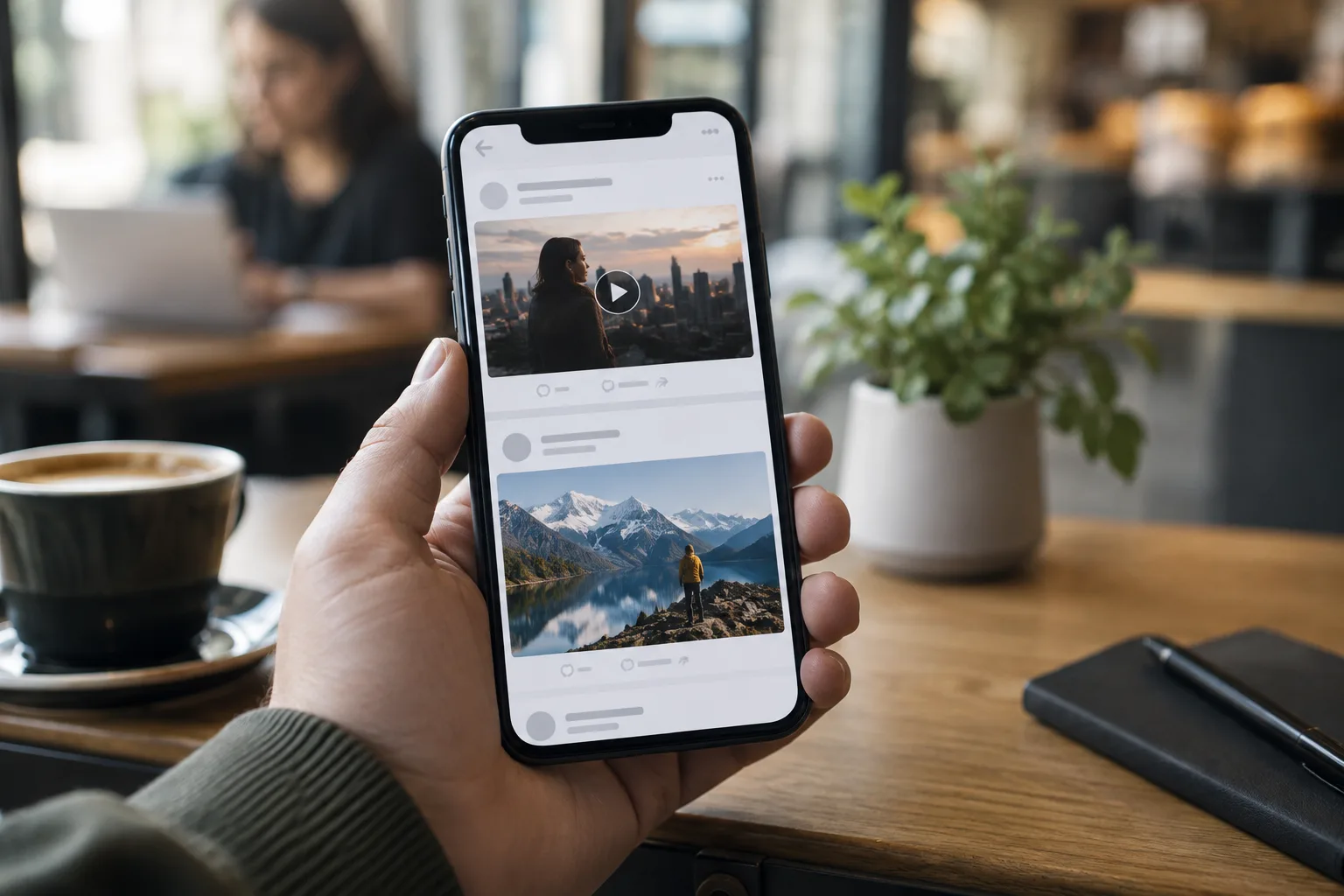
This is the gap most ghostwriting retainers don't cover. They write words, not the picture or video that now has to travel with them.
Can you use ChatGPT as a ghost writer?
You can, and plenty of people do. But the output needs the same three things a human ghostwriter needs to be told, every single time: your actual voice, your platform's current rules, and a second pass checking whether the draft sounds like you or sounds like a chatbot being helpful. Skip any of those and you get a post that's grammatically fine and says nothing. A chat tool also doesn't know that LinkedIn and X reward different lengths and openings, so the same draft gets reused badly across platforms unless someone — you — rewrites it each time. The gap between a chat window and a system built for this shows up mostly after the first draft: scoring it against platform rules, adding a picture, publishing it on schedule instead of leaving it in a tab.
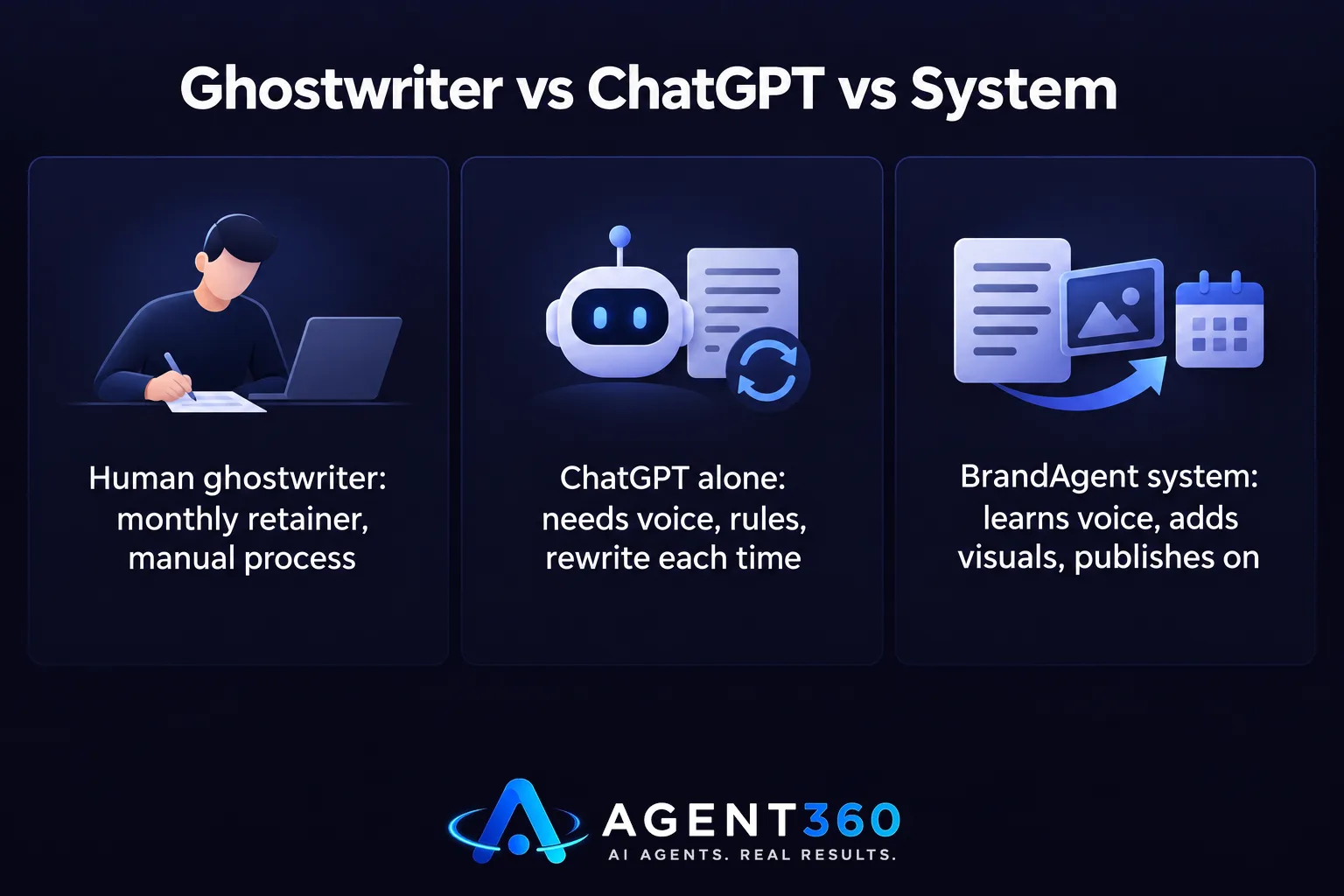
A system can do the ghostwriter's job without the retainer
BrandAgent exists for the version of this problem where you have the opinions but not the hours. It learns your voice from your Brand Kit, writes platform-specific drafts using ten proven formulas, adds a picture or short video to each one, and publishes on the schedule you set — with every post waiting for your approval first. It doesn't replace having something to say. It replaces the four hours a week spent getting that something onto the page. Plans start at $97 a month with no contract; see what fits your volume.
What to check before you sign anything
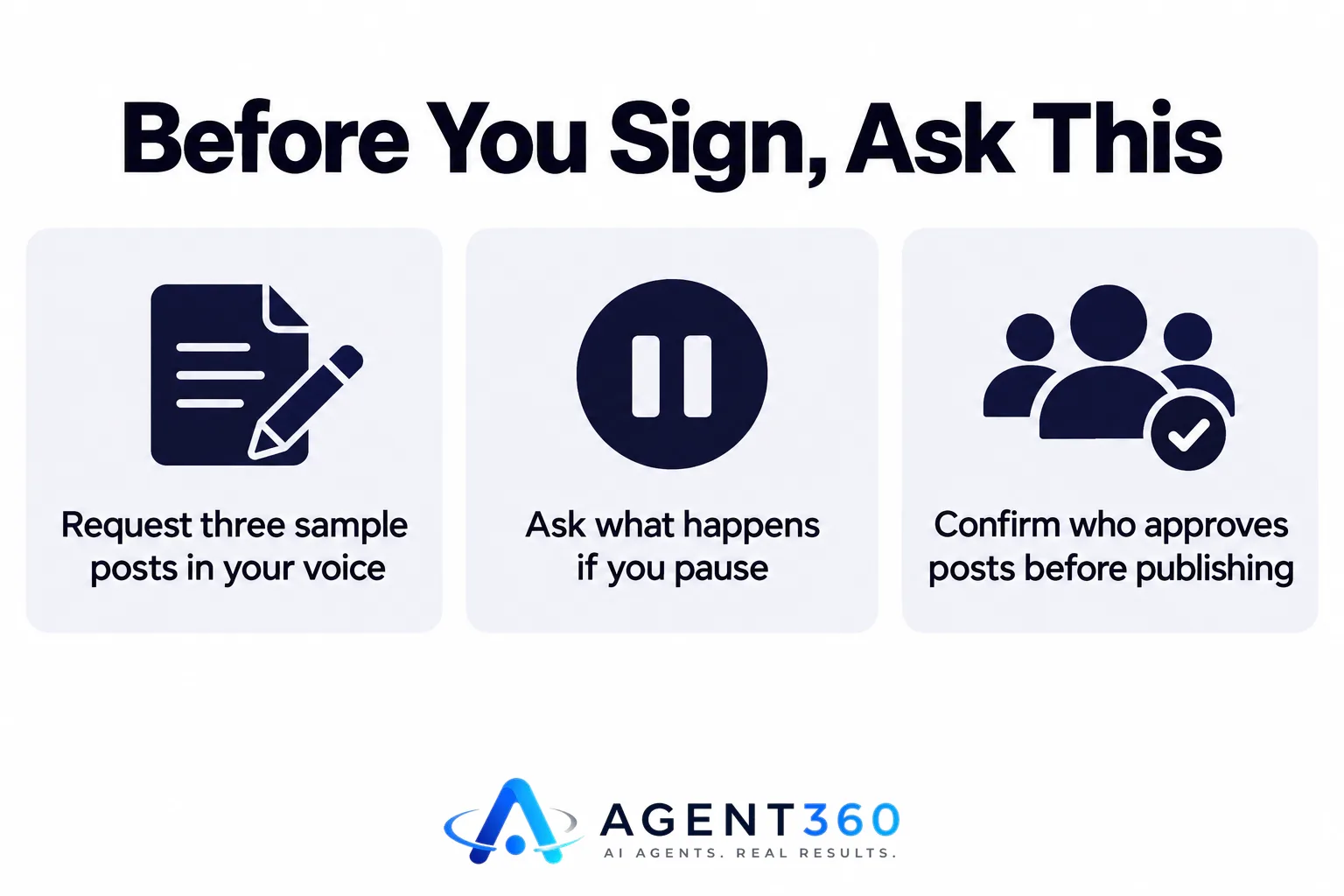
Ask for three sample posts written in a voice close to yours, not generic samples pulled from a portfolio. Ask what happens to the writing if you want to pause for a month — a monthly retainer with no contract is a very different risk than a six-month commitment. And ask who approves the post before it goes live. If the answer isn't "you, every time," that's worth knowing upfront, whether the writer is human or not.
Frequently asked questions
Has Jay Z ever used a ghostwriter?
The music industry has a long, openly discussed history of ghostwritten verses and co-writing credits across many major artists, and it hasn't dented the careers built on that work. The relevant point for LinkedIn isn't the specific artist — it's that ghostwriting is a normal, accepted practice in fields built on voice and reputation, not a shortcut people need to hide.
How much does a LinkedIn ghostwriter actually cost?
Pricing varies by experience and scope — some charge per post, most work on a monthly retainer that includes strategy and revisions. The full breakdown of typical costs and how the process usually works is worth reading before you get a quote, so you know what should be included.
Is it unethical to use a ghostwriter on LinkedIn?
Not inherently. The posts still reflect your actual opinions, experience, and decisions — a ghostwriter is doing the typing, not inventing a point of view you don't hold. It becomes a problem only if the content misrepresents what you actually think or did, and that's an honesty issue, not a ghostwriting one.
More articles
- How Much Does a LinkedIn Ghostwriter Really Cost?
- Content Repurposing: How One Recording Becomes a Month of Posts
- How to Write a LinkedIn Post That Actually Gets Engagement
- How AI Talking Head Videos Actually Get Made
- Social Media Posts That Get Leads (Not Just Likes)
- The B2B Social Media Strategy That Actually Moves Deals
- How to Build a Personal Brand on LinkedIn (That Sticks)
- The Real Alternatives to a Social Media Agency
